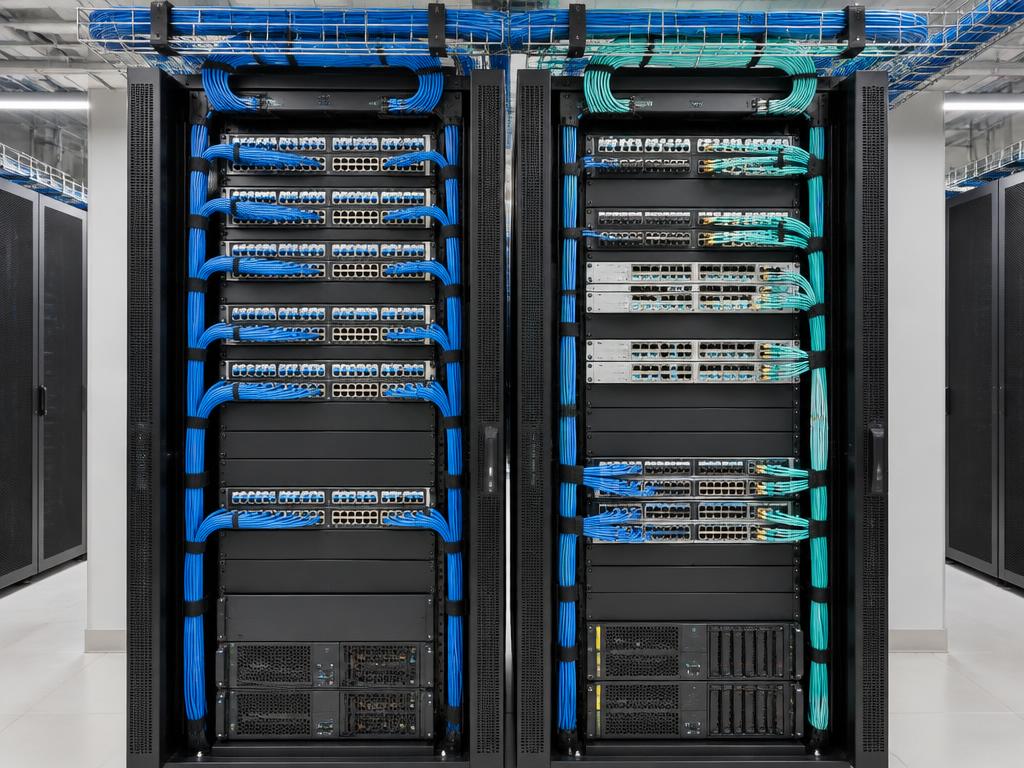
Modern communications environments depend on multiple technologies working together. QSAT supports telecommunications systems integration by helping organisations coordinate connectivity platforms, network infrastructure, communications technologies and supporting systems into a cohesive operational environment. From satellite and terrestrial connectivity to enterprise networking and hybrid communications infrastructure, we help align the components needed to support connected operations.
Multi-site organisations often depend on separate providers, legacy equipment, new platforms and geographically distributed connections. Satellite and terrestrial networks, security systems and management tools do not automatically behave as one environment. Fragmented visibility and unclear dependencies can complicate upgrades, remote connectivity and network expansion.
Telecommunications systems integration starts with understanding the complete environment: how equipment interfaces with enterprise infrastructure, where access boundaries apply and which services rely on one another. QSAT helps assess those dependencies, plan interactions, coordinate implementation and validate the result—treating infrastructure as an ecosystem rather than independent technologies.
Across technology boundaries
Telecommunications Integration Capabilities
Multi-Technology Connectivity Integration
Coordinate LEO and GEO satellite, terrestrial broadband, fibre, mobile, wireless and private or dedicated links. Assign each connection a role based on coverage, capacity, latency, availability, resilience and site requirements—not simply the technology label.
Satellite and Terrestrial Network Integration
Satellite access can complement terrestrial connectivity at remote or underserved sites. Assess alternative paths, traffic management and enterprise interconnections against service availability. Failover behaviour depends on the selected architecture; uninterrupted service is not assumed.
Enterprise Network Infrastructure Integration
Align routers, switches, LAN, WAN, enterprise wireless, firewalls, VPNs and SD-WAN with branch and remote-site connectivity. Consistent addressing, routing, segmentation and security boundaries help define how users, systems and locations communicate.
Hybrid and Multi-Carrier Network Integration
Coordinate multiple providers, primary and secondary paths and distributed WAN environments. Review SD-WAN policy, service demarcations and expansion requirements. QSAT acts as an integration partner, not as the owner or carrier of every underlying network.
Telecommunications Equipment and Systems Integration
Review satellite terminals, network equipment, connectivity management components and supporting power systems. Compatibility, interfaces, interconnections and configuration alignment require assessment and pre-deployment validation. QSAT does not manufacture equipment or imply an in-house integration laboratory.
Network Security Integration
Incorporate firewalls, perimeter design, segmentation, VPN and encryption requirements, access control and secure remote connectivity throughout planning. Align with existing security infrastructure and authorised policies; specialist security work is separately defined.
Plan supported device and link telemetry, status visibility, performance observations, alerts, incident escalation and reporting. Clarify responsibilities between providers and internal teams. Monitoring depends on approved access, integrations and an agreed operational scope.
The technologies included depend on customer requirements, technical compatibility and agreed scope. No single project is assumed to include every platform or connectivity option.
Illustrative integration architecture
How the Components Work Together
Connectivity reaches the enterprise through coordinated network and security layers, with operational visibility considered across the environment.
Illustrative architecture—not a standard QSAT product or guaranteed configuration. Connections represent architectural relationships, not a mandatory packet path. Security and operational management requirements apply across the layers; actual interfaces and topology require assessment.
Assessment through operational handover
Integration Lifecycle & Delivery Approach
Step 01
Requirements Assessment
Review business objectives, applications, current architecture and equipment, site conditions, capacity needs, performance expectations, resilience and security requirements.
Step 02
Architecture & Integration Planning
Evaluate topology, technology compatibility, connectivity options, interfaces, interconnections and operational requirements. Architecture deliverables are included only where agreed.
Step 03
Technology & Provider Coordination
Align equipment, services and stakeholders. Identify site-readiness needs, technical dependencies and responsibilities between QSAT, customer teams and third-party providers.
Step 04
Integration & Configuration Coordination
Coordinate network interconnections, equipment, connectivity settings, security policies and routing. Direct technical execution or coordination through authorised teams is defined per activity.
Step 05
Validation & Testing
Verify connectivity, reachability, interfaces, compatibility and authorised access. Record performance observations and unresolved issues. Failover testing applies only where supported and scoped; certification testing is not assumed.
Step 06
Documentation & Operational Handover
Agree network diagrams, equipment and service records, authorised configuration documentation, procedures, escalation details and support contacts. Ongoing monitoring and support can be discussed separately.
Potential operating environments
Integration Across Different Operating Environments
These applications illustrate integration needs, not completed QSAT customer projects.
Enterprise & Multi-Branch Networks
Coordinate office, campus and branch connections with consistent enterprise architecture and clearly defined site dependencies.
Remote & Hard-to-Reach Locations
Incorporate satellite and other available links where terrestrial access is limited, accounting for site conditions and enterprise network requirements.
Maritime Communications
Bring vessel satellite connectivity, onboard networks and supporting communications infrastructure into a coordinated operating environment.
Data Centres & Critical Infrastructure
Align external communication services, data centre connectivity and enterprise interconnections with application and operational requirements.
Telecommunications & Service Providers
Address multi-platform environments, interconnection requirements and dependencies across equipment suppliers and communications providers.
Industrial & Distributed Operations
Connect factories, remote installations and dispersed facilities while accounting for local infrastructure, access and implementation constraints.
Starlink, OneWeb, VSAT and fibre address particular connectivity requirements. TSI considers how selected technologies interact with enterprise networks, security, supporting systems and operations.
Individual Connectivity Solution
Telecommunications Systems Integration
Addresses a specific connectivity technology
Addresses the complete communications environment
Focuses on an individual service or platform
Coordinates multiple technologies and systems
May provide a particular network connection
Considers how connections interact
Has a defined technology scope
Has a broader integration scope
Can operate as one component
Brings components into a coordinated architecture
A broader integration scope does not mean every customer needs all available technologies. Select only the components justified by the environment and requirements.
Controlled implementation
Security, Compatibility & Operational Governance
Technology Compatibility
Review interfaces, supported protocols, hardware requirements and platform dependencies.
Network Security
Define segmentation, firewall policies, secure connectivity and authorised access.
Configuration Management
Keep authorised configuration and change records relevant to integration.
Change Management
Coordinate approvals, implementation dependencies and potential service impacts.
Third-Party Coordination
Clarify QSAT, customer, provider and supplier responsibilities before implementation.
Documentation & Handover
Agree technical records, operating procedures and support information for future use.
Lifecycle Considerations
Consider supportability, upgrade paths and technology lifecycle dependencies.
Frequently asked questions
Telecommunications Integration: Your Questions Answered
Discuss your integration requirements
Bring Your Telecommunications Infrastructure Together.
Whether you are integrating satellite and terrestrial connectivity, connecting distributed enterprise networks or coordinating multiple telecommunications platforms, QSAT can help you define an integration approach aligned with your infrastructure and operational requirements.