
Data Centres
Fiber backbone, rack connectivity, structured patching and high-density infrastructure.
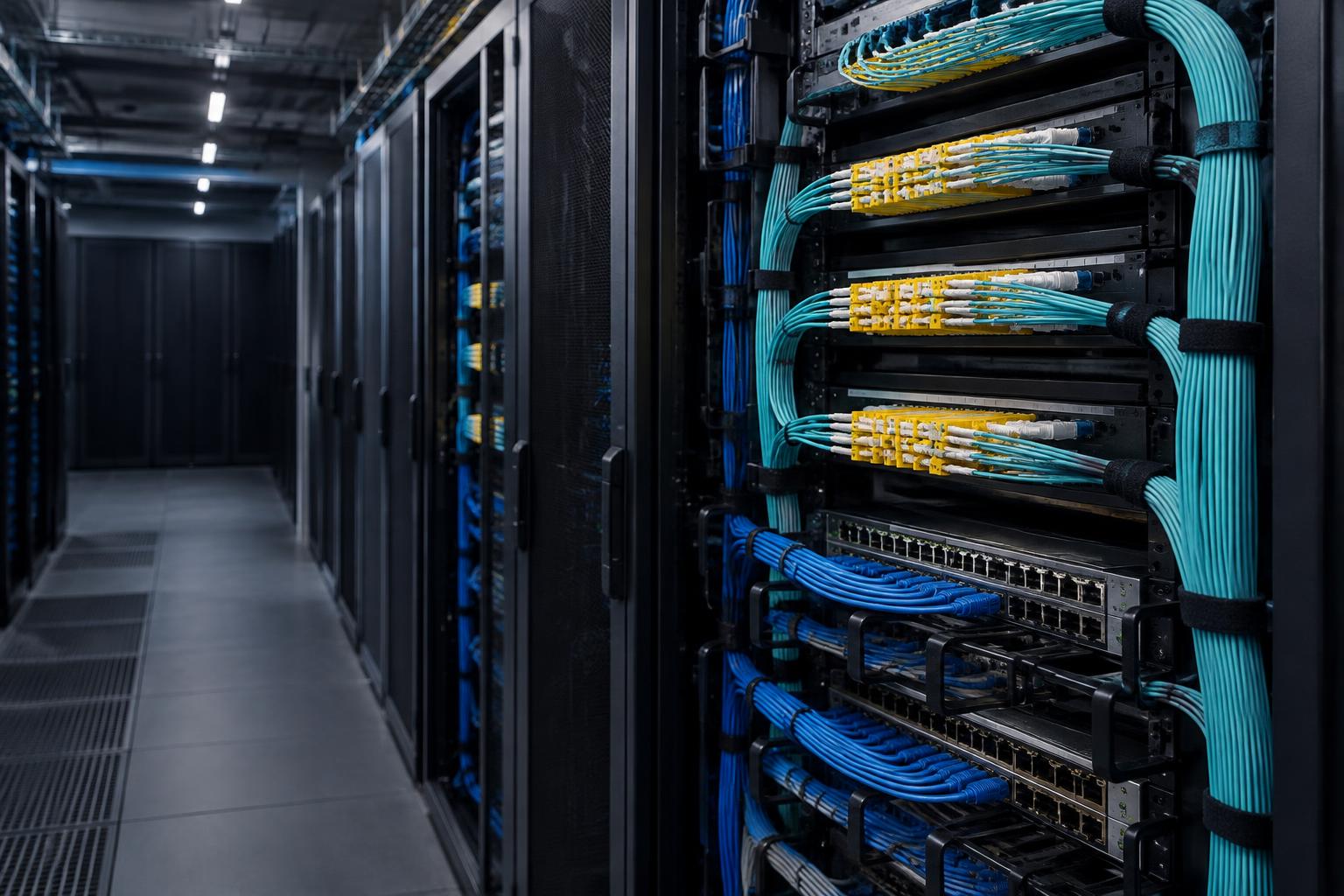
Structured Cabling & Fiber Infrastructure for Modern Networks
Reliable digital infrastructure starts with a properly designed physical network.
QSAT provides structured cabling and fiber infrastructure for data centres, enterprise facilities, critical infrastructure and operational environments, helping organizations build connectivity foundations that are organized, scalable and ready for future requirements.
Modern applications, cloud services, enterprise networks, security systems and data centres ultimately depend on physical connectivity. That foundation deserves the same engineering attention as the technology it connects.
QSAT helps organizations design and implement structured physical infrastructure that supports current requirements while allowing for future growth.
Disorganized pathways and incomplete records add operational complexity to every change.
Structured cabling is an organized physical infrastructure that connects equipment, systems and endpoints through standardized cables, pathways, patching and documentation. Backbone cabling connects major network areas; horizontal cabling connects local equipment and outlets.
Fiber optic cabling carries data as light, making it an important component of modern enterprise and data-centre networks. It supports backbone links, building-to-building connections and campus infrastructure where capacity and distance influence the design.
High bandwidth potential, low signal loss and immunity to electromagnetic interference support scalable infrastructure. Fiber type, optics and link design are selected for the required application; achievable performance and distance depend on the complete system.
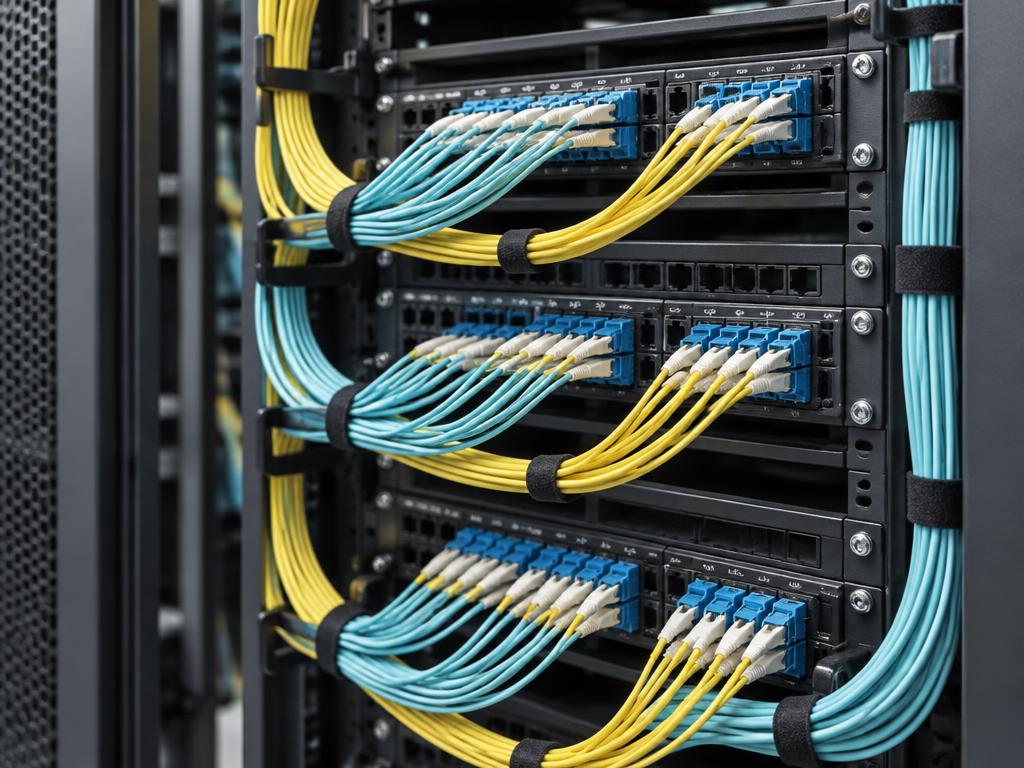
Copper remains an important part of enterprise network cabling, connecting local equipment through Ethernet infrastructure. Cat 6 and Cat 6A cabling can support horizontal runs, outlets, rack termination and structured patching where appropriate.
Fiber and copper are complementary technologies. Selection considers the application, distance, performance requirements, operating environment and future expansion—not a one-size-fits-all preference.
Longer backbone paths and local device connections often have different needs. A structured design brings them together in one documented architecture.
Data centre cabling brings server racks, network racks and distribution points into an organized fabric. High-density environments need deliberate fiber routing, switch-to-switch connectivity and rack-level management—not simply more ports.
Plan pathways, patching and spare capacity together so changes remain traceable as the facility grows. Physical connectivity is part of the broader infrastructure—not an isolated installation.
Data Centre Modernization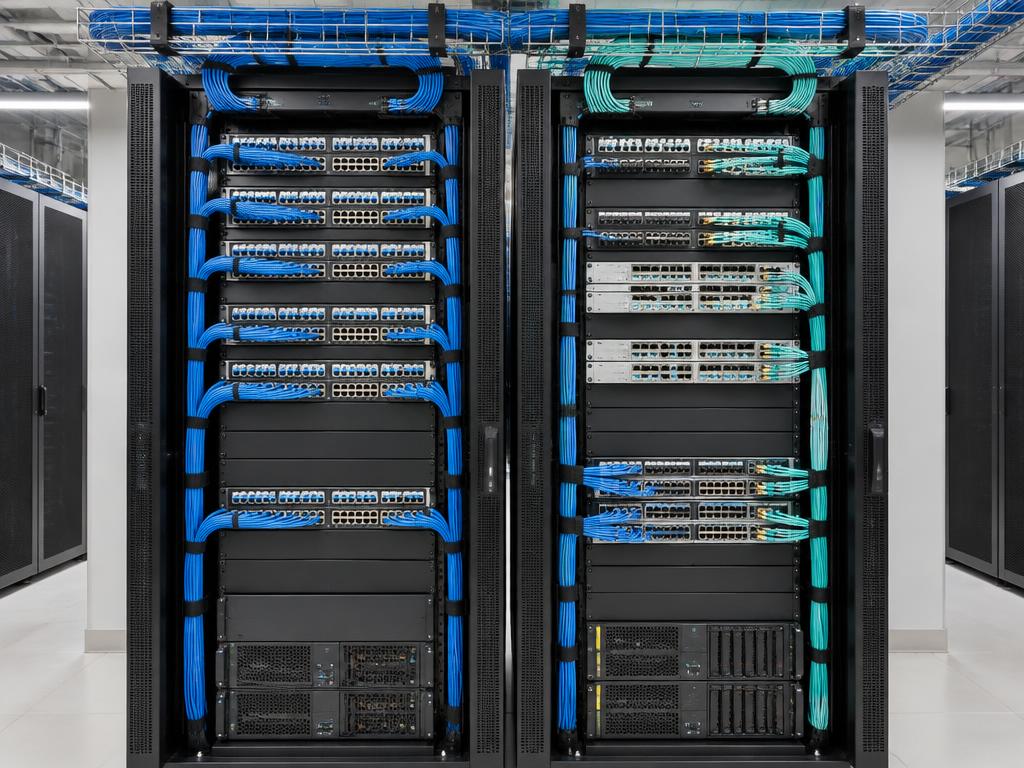
Rack organization makes the physical network easier to understand. Server racks, network racks, copper patch panels and fiber panels should connect through clear, maintainable pathways.
Visibility → Troubleshooting → Maintenance → Expansion
Clear port records and organized patching help teams locate connections, assess changes and plan additions with less uncertainty.
Fiber optic installation may involve termination, splicing and connectorization, followed by validation appropriate to the installed links. Test results and cable identification make the handover useful to the people who will maintain the infrastructure.
Testing methods are selected according to the infrastructure and project requirements.
No single testing method answers every question, and not every project includes every method.
A planned fiber backbone can connect buildings and floors with server rooms, data centres and operations centres. Distribution and access cabling extend that foundation to communications systems, security equipment and remote facilities where suitable pathways exist.
Path selection, environmental conditions and building interfaces are assessed before defining the structured infrastructure.
LAN, WAN and data-centre networks rely on physical links between devices. Structured cabling also provides underlying connections for Wi-Fi access points, firewalls, CCTV, access control, IoT and voice systems.
Cabling itself does not provide these services. It supplies the physical infrastructure that supports the devices, network configuration and applications.
Hybrid SD-WANSolutions can be designed for data centres, enterprise facilities, industrial environments, oil and gas, maritime and offshore operations, government facilities and remote operational sites.
Each environment brings its own constraints. Physical protection, access, routing, maintenance needs and environmental suitability should inform the architecture before deployment.
A critical facility needs more than a generic cable layout. Cabling decisions are considered alongside the wider connectivity and technology requirements.
Enterprise Mobility & VSATTechnology changes faster than the facilities that house it. Structured cabling should leave room for the next phase, with sensible pathway capacity, modular patching and clear infrastructure records.
Avoid rebuilding the physical network every time the technology changes. Plan expansion around likely requirements, rather than relying on a promise of unlimited future capacity.
QSAT can assess existing environments before recommending upgrades or expansion. An engineering-led review establishes what is present, what can be retained and where the physical network no longer meets the requirement.
The outcome informs upgrade planning, remediation and investment priorities—not simply a replacement cable list.
Strategic AdvisoryA clear delivery sequence connects the infrastructure plan with installation, validation and operational handover.
Understand the facility, existing infrastructure and connectivity requirements.
Develop the structured cabling architecture and physical connectivity plan.
Install, terminate and organize the infrastructure.
Validate the installed infrastructure using appropriate testing methods.
Provide labeling, test results and infrastructure documentation as required.
Support future changes, expansion and infrastructure requirements.
Solutions can be designed around the physical connectivity requirements of each environment.
Fiber backbone, rack connectivity, structured patching and high-density infrastructure.
Office networks, campus connectivity and communications infrastructure.
Physical network infrastructure for industrial and operational environments.
Connectivity infrastructure for remote and operational environments.
Structured infrastructure for professional and critical facilities.
Network, security and operational technology connectivity.
Connect physical infrastructure with wider network and technology requirements.
Support fiber and copper infrastructure according to deployment requirements.
Designed for professional IT, data-centre and critical infrastructure environments.
Emphasis on validation, traceability and organized infrastructure.
Infrastructure designed to accommodate future requirements.
Consider cabling alongside connectivity, networking and data-centre solutions.
Modernize data-centre infrastructure for performance, scalability and operational efficiency.
Data Centre ModernizationBuild the power and thermal foundation required for critical IT infrastructure.
Power & Precision CoolingBring multiple connectivity paths into a policy-led WAN architecture, according to deployment requirements.
Hybrid SD-WANAlign infrastructure investments with business and technology objectives.
Strategic AdvisoryExtend technical capabilities with specialized infrastructure and technology expertise.
Resource AugmentationWhether you are building a new facility, modernizing an existing environment or expanding your network infrastructure, QSAT can help design a structured physical connectivity layer built for reliability, organization and future growth.