
Monitoring
Observe the health, availability and performance indicators of agreed network components. Measurements depend on the telemetry exposed by supported equipment.
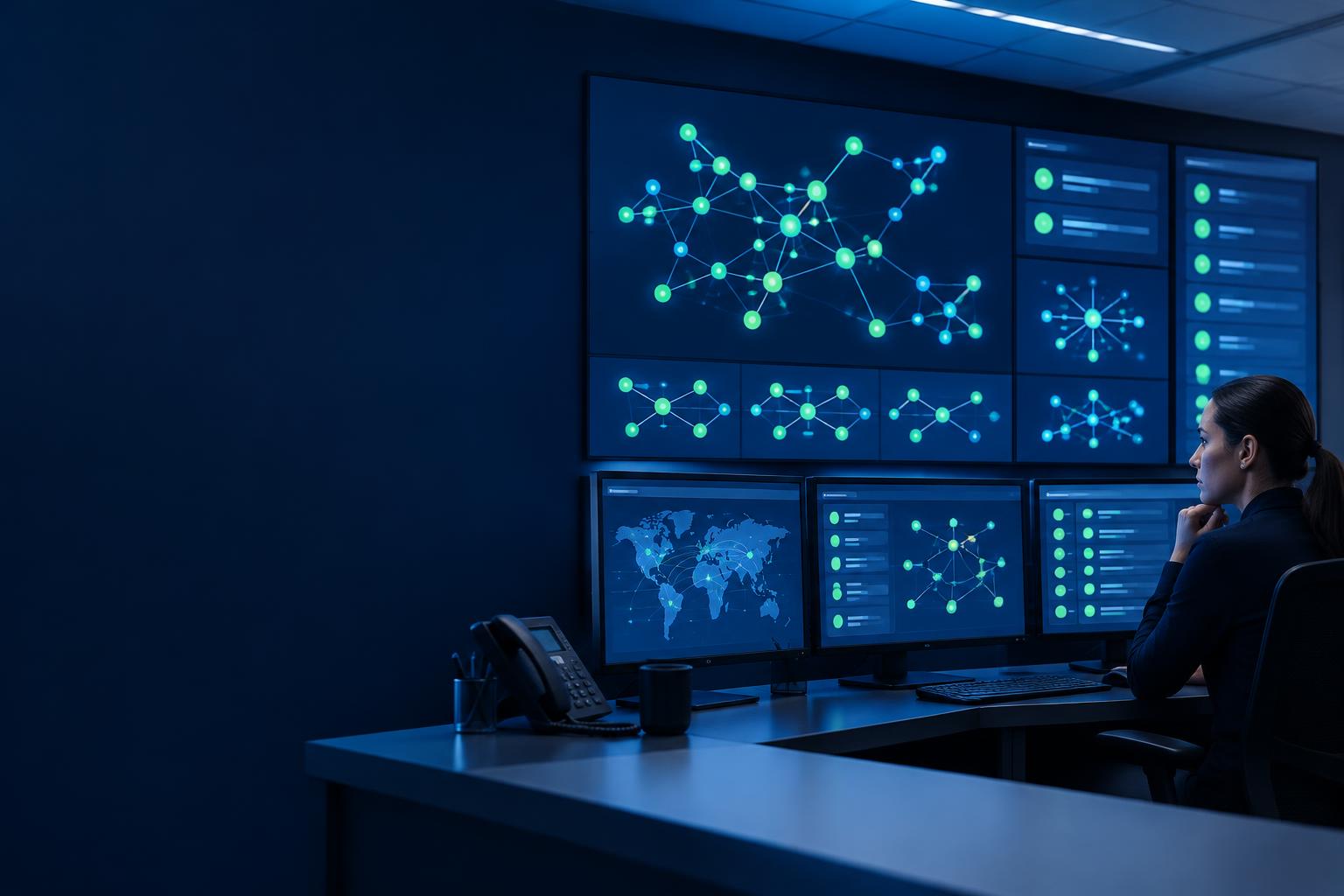
Stay Ahead of Network Issues with Continuous Monitoring
Maintain visibility into network health, connectivity, and infrastructure performance with monitoring and operational support aligned to your business requirements. QSAT helps organizations establish structured processes for identifying network events, assessing incidents, and coordinating escalation.
Business applications, communication and operational services depend on network connectivity. Headquarters, branches, data centres, cloud-connected networks and remote locations create a growing set of links and devices that need attention.
When visibility is fragmented across equipment, providers and tools, teams can struggle to determine where an issue started or who should investigate. Undetected degradation, recurring incidents and delayed escalation can interrupt access to services and consume valuable technical time.
Continuous monitoring combines available data with documented procedures and clear responsibilities. It can help teams recognize issues earlier and coordinate a response; it does not guarantee that every outage will be prevented.
Approved access · Compatible protocols · Agreed monitoring scope
Operational awareness shared with responsible teams
NOC services complement existing IT, network, security and infrastructure teams. They do not automatically replace those teams or transfer all operational responsibilities.
A Network Operations Centre, or NOC, is an operational capability that brings monitoring information and incident-handling processes together. It helps people understand the state of agreed network components and coordinate the next action when something needs attention.
Observe the health, availability and performance indicators of agreed network components. Measurements depend on the telemetry exposed by supported equipment.
Evaluate alerts, correlate related conditions and identify events that require attention rather than treating every notification as an incident.
Assess the apparent severity, affected infrastructure and potential business impact using the information available.
Route incidents to the responsible customer team, technical specialist or connectivity provider through an agreed escalation matrix.
Document events, service activity, trends and recurring problems so operational reviews have a consistent evidence base.
Investigate or resolve selected issues only where the activity, access and technical authority are explicitly included in the engagement.
“24/7” describes continuous coverage as agreed for the engagement. Actual monitoring scope, staffing arrangements, response targets and escalation coverage must be confirmed before they become specific QSAT commitments.
Select monitoring capabilities around your operational priorities, compatible equipment and available information. Not every metric, integration or activity is included in every engagement.
Track device reachability, connectivity status and selected component states. Loss of reachability or an unexpected state can generate an alert, helping teams recognize a potential service interruption.
Requires reachable targets, agreed polling methods and an accurate inventory.
Review supported latency, packet loss, bandwidth utilization and interface errors. Trends can reveal emerging degradation or recurring congestion before a single measurement tells the full story.
Requires supported counters or probes, baselines and sufficient historical data.
Observe compatible routers, switches, firewalls and interfaces. Hardware health can also be considered where equipment exposes suitable indicators, helping distinguish a device condition from a link issue.
Requires compatible telemetry, monitoring permissions and exposed equipment metrics.
Monitor availability and supported performance indicators between sites. Link-level visibility helps focus investigation on the connection supporting a branch, data centre or remote facility.
Requires agreed measurement points, connectivity access and provider context.
Configure thresholds and rules around normal operating conditions. Appropriate baselines, maintenance windows and suppression rules help distinguish actionable changes from expected activity.
Requires business priorities, baseline measurements and approved alert conditions.
Validate, categorize and prioritize alerts; record events and follow agreed escalation procedures. Consistent records support handover and reduce uncertainty about who should act.
Requires an incident framework, contact matrix and documented ownership.
Supported dashboards and reports can consolidate monitored devices, links, alerts and trends. A shared view helps internal teams and providers discuss the same operational information.
Requires suitable platform integrations, licensing and approved viewing access.
Historical utilization and performance data can expose changing demand or recurring congestion. Evidence supports capacity discussions without assuming every performance issue needs more bandwidth.
Requires agreed metrics, retention periods and reliable historical telemetry.
The starting point is a defined inventory—not an assumption that every system can be monitored. Supported routers, switches, firewalls, WAN links, SD-WAN environments and data centre networks can be assessed alongside satellite-connected sites and selected infrastructure endpoints.
Monitoring availability depends on equipment, protocols, permissions, telemetry, licensing and platform integrations. Some systems expose detailed counters; others may support only reachability or limited status information.
Availability or operational-metric monitoring of a firewall is different from security-event investigation. Threat hunting, endpoint detection, SOC services, penetration testing and managed firewall administration are not automatically included.
An alert is the beginning of an investigation, not proof of a root cause or a completed repair. A documented lifecycle connects the observed condition with its possible impact and the team responsible for the next action.
A monitoring rule or operational notification identifies an abnormal condition.
Check available telemetry and related alerts to understand whether the event is actionable.
Evaluate the affected components, apparent severity and potential service impact.
Apply the incident-priority framework agreed for the environment.
Notify the responsible technical team, carrier, vendor or customer contact.
Record the incident, ownership, actions taken and subsequent progress.
Share updates through the agreed customer communication process.
Document recurring issues, contributing factors and improvement opportunities where included.
A monitoring rule generates an alert. The event is checked against available telemetry and related notifications, the affected branch is recorded and its apparent service impact assessed. The designated customer contact or connectivity provider is notified according to the agreed procedure. Ownership, progress and updates are recorded as the investigation continues.
A reachability alert alone does not establish whether the cause is the link, a local device, power or an upstream provider. Further diagnosis depends on available information and authorized technical access.
Detection, escalation coordination, troubleshooting and service restoration are different responsibilities. Resolution depends on technical authority, access, third-party involvement and the agreed scope. No fixed incident response or resolution time is implied.
A consistent classification model helps teams focus attention appropriately. Priorities should consider service criticality, affected locations, redundancy, apparent business impact and agreed operational objectives.
| Priority | Example condition | Assessment context |
|---|---|---|
| Critical | A major monitored service or critical component is unavailable. | Significant apparent business impact; assess criticality, dependencies and redundancy. |
| High | A substantial degradation or outage affects important services. | Important services or multiple users are affected; confirm scale and ownership. |
| Medium | A localized issue or performance degradation needs investigation. | A narrower operational impact; assess persistence and business priorities. |
| Low / Informational | A warning, threshold event or condition requires observation. | Routine follow-up or continued monitoring may be appropriate. |
Every incident needs a clear destination and an agreed communication path. The matrix should remain current as providers, contacts and business priorities change.
Enterprise connectivity often spans headquarters, branches, data centres and remote facilities across multiple providers. Monitoring can bring together supported WAN availability, performance indicators and network-path information so teams can compare conditions across sites.
Where supported, visibility into redundant links and failover events adds context to a connection change. SD-WAN path measurements and satellite-connected site telemetry may also contribute to an agreed operational view.
Monitoring information may help distinguish a link outage, device issue, degradation or potential upstream problem. The strength of a diagnosis depends on the measurement points and evidence available—not just the number of alerts.
Approved access · Compatible protocols · Agreed monitoring scope
Operational awareness shared with responsible teams
At remote facilities, vessels and offshore environments, physical access may be limited and connectivity may involve different technologies and providers. A local device issue can be difficult to distinguish from a wider connection problem when site visibility is incomplete.
Supported monitoring of satellite-connected networks can help identify changes in link availability, device reachability and connectivity performance. Satellite broadband, LEO and VSAT environments can be considered where telemetry and approved integration are technically applicable.
Effective escalation may require coordination between local teams, network operators and connectivity providers. Monitoring does not imply direct telemetry access to every satellite terminal, ownership of satellite infrastructure or guaranteed offshore coverage.

Applications and infrastructure services depend on network paths between switches, routers, compute and storage environments. Supported monitoring can provide visibility into those connections, selected interfaces and service dependencies.
Availability and performance alerts can help teams identify conditions that may affect access to business applications. They complement infrastructure operations without becoming comprehensive data centre infrastructure management.
Network monitoring does not automatically include operating-system administration, application performance monitoring, storage administration, physical security, power monitoring, precision cooling or facilities management. Additional responsibilities require explicit scope and suitable integrations.
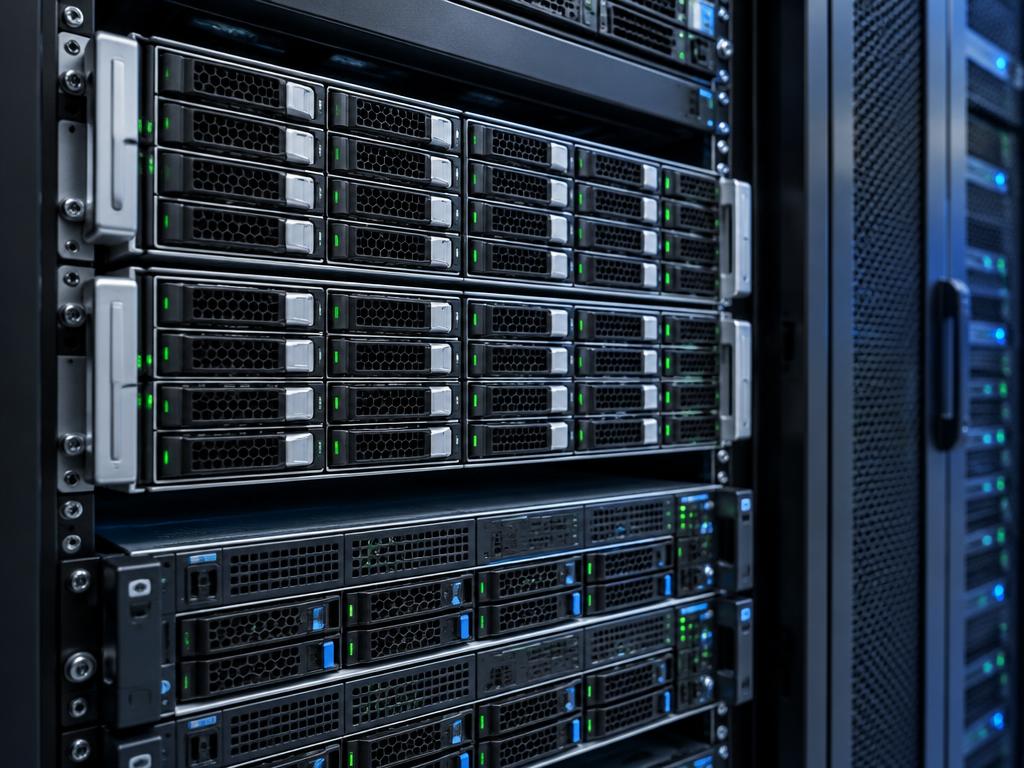
Network visibility is one part of the operating picture. Facilities, workload and network teams retain distinct responsibilities.
The following proposed engagement models are starting points for discussion—not confirmation of standard QSAT packages. The right scope follows your environment, available access and operational responsibilities.
Observe agreed components, detect events, validate alerts and notify designated contacts. Customer teams retain responsibility for investigation and restoration unless otherwise agreed.
Add incident assessment, prioritization, logging and coordination. The responsible technical team or service provider receives an escalation with the available operational context.
Add selected remote diagnostics or remediation only where tooling, approved access, technical authority and contractual responsibilities permit the activity.
Advanced configuration changes, onsite dispatch, vendor support, cybersecurity incident response and restoration work must be explicitly agreed. Customer approvals and technical authority are required for actions beyond observation.
Define Your Monitoring RequirementsReports can bring together network behaviour, incident activity and performance trends so operational reviews are based on recorded information. Recurring connectivity issues may reveal a need for deeper diagnosis, capacity assessment or a review of resilience dependencies.
Historical utilization is valuable when the measurement context is understood: collection methods, maintenance windows and missing telemetry can all affect interpretation. A trend is evidence for investigation, not a guaranteed performance improvement.
Report frequency, format, metrics, data retention and review meetings are agreed with the customer. Follow-up recommendations are included only where scoped; no availability percentage or restoration outcome is assumed.
A useful monitoring engagement starts with an accurate understanding of the network and the people responsible for it. Scope, integrations, alert rules and escalation procedures should be validated before operational handover.
Review topology, device inventory, sites, connectivity providers, critical services and business priorities.
Identify the devices, interfaces, links, metrics, events and services to be monitored, along with exclusions.
Validate protocols, permissions, firewall rules, telemetry and platform integrations. Use approved credential-management and remote-access methods.
Agree thresholds, notification rules, event priorities, maintenance windows and appropriate suppression rules.
Confirm contact lists, technical ownership, provider paths, communication channels and responsibilities.
Test agreed conditions and notifications, document procedures and establish reporting expectations before operational handover.
Implementation timelines depend on environment complexity, compatibility, scope and access approvals. Credentials should remain protected through approved access and credential-management processes—not shared through unsecured channels.
Monitoring arrangements should provide the information needed without granting unnecessary administrative authority. Use least-privilege access where supported, approved remote-access methods and defined credential ownership.
Observation permissions and configuration permissions should be separated where technically feasible. Changes need customer approval and the applicable change-management process; operational logging and documentation should support accountability where available.
Agree data handling and retention alongside service responsibilities. Network monitoring is not automatically a cybersecurity or SOC service, and no specific QSAT security certification or compliance status is implied.
Monitoring requirements follow the operational environment. These use cases describe potential needs, not claims of named QSAT deployments or universal service availability.
Visibility across headquarters, branch offices and the connections supporting business applications.
Coordinated monitoring and escalation across distributed facilities with different local responsibilities.
Visibility into supported network components and connectivity paths serving infrastructure workloads.
Observation of supported links, devices and infrastructure serving users and remote facilities.
Monitoring of compatible remote connectivity equipment where telemetry and approved access are available.
Earlier awareness of availability issues and coordinated investigation when physical access is limited.
Bring the status of monitored components and connectivity links into a consolidated operational view.
Receive alerts when supported systems detect abnormal conditions or agreed threshold breaches.
Use documented procedures to classify events, assign responsibilities and coordinate escalation.
Review incident records and trends to identify patterns requiring deeper investigation.
Use available historical utilization and performance data to support infrastructure decisions.
Clarify the roles of internal IT, network operators, vendors and connectivity providers.
Monitoring can improve awareness and coordination. It does not eliminate downtime, prevent every incident or guarantee business continuity.
QSAT's connectivity and infrastructure focus provides a broader context for discussing network monitoring. The operating view should reflect enterprise networks, WAN connections, remote sites and the technology dependencies that matter to your organization.
Start with operational requirements, establish clear boundaries and connect monitoring information with the teams responsible for action. Structured logging, escalation and communication are considered as part of the scope rather than assumed to solve every incident.
Explore the connectivity and infrastructure dependencies that inform a monitoring engagement. Each solution has its own scope and operational considerations.

Connect monitoring priorities with supported WAN paths, link selection and distributed network architecture.
Explore Hybrid SD-WANConsider the connectivity dependencies of remote, mobile and satellite-connected operations.
Explore Enterprise Mobility & VSAT
Assess visibility requirements for suitable LEO-connected sites and associated network links.
Explore Starlink LEO Connectivity
Include supported remote-site connectivity in a wider operational monitoring scope.
Explore Eutelsat OneWeb LEO Connectivity
Plan connectivity monitoring and escalation around vessel access and provider dependencies.
Explore Maritime VSAT
Understand the network connections that make enterprise workloads and business data accessible.
Explore Compute & Storage Infrastructure
Align network visibility with infrastructure architecture and operational readiness.
Explore Data Centre Modernization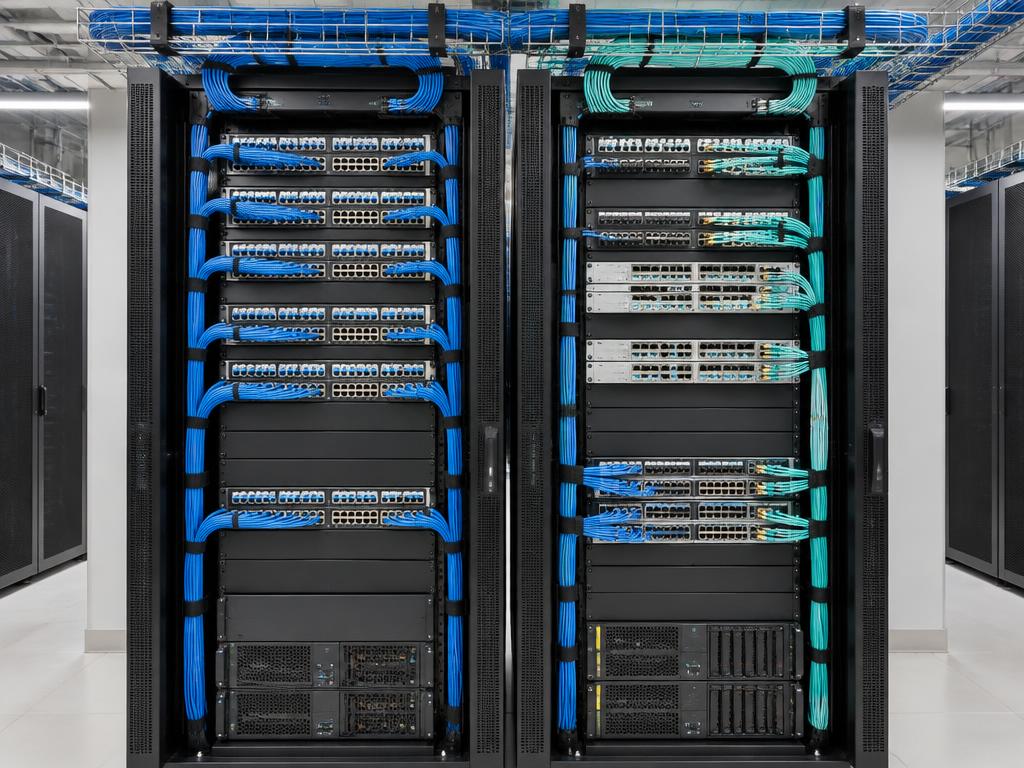
Consider physical-layer dependencies when investigating device or connectivity issues.
Explore Structured Cabling & Fiber
Account for facilities dependencies while keeping network and facilities-management responsibilities separate.
Explore Power & Precision CoolingDiscuss your network environment, monitoring priorities, escalation requirements, and operational coverage with QSAT. We can help you identify the requirements and scope for a monitoring engagement aligned to your infrastructure.