
Network perimeter security
Supported firewall deployments inspect and control traffic entering or leaving enterprise networks according to configured rules. The perimeter is one boundary among several, not the only place security is required.

Build a More Secure Foundation for Your Enterprise Network
Design security around how your network connects, communicates, and grows. QSAT's network security solution approach focuses on firewall architecture, segmentation, policy consistency, and secure connectivity across enterprise and distributed infrastructure environments.
Modern enterprise networks connect distributed offices, remote sites, data centres and cloud-connected environments. As devices, applications and connectivity paths grow, the boundaries between systems become more complex.
Every additional segment introduces a question: which systems need to communicate, who owns that access, and what controls should apply? Internal services, management interfaces, partner links and internet-facing applications have different requirements. Visibility and controlled access should follow those differences rather than treating the network as one trusted space.
Maintaining consistent firewall policies across locations is an operational challenge. Unrecorded exceptions, overlapping rules and incomplete dependency maps can make change difficult. Documented rules and clear ownership help align security controls with legitimate business requirements.
QSAT’s infrastructure-led approach helps organizations assess and plan network security infrastructure appropriate to their environment. Effective protection requires multiple controls working together: firewalls are an important layer, not an independent guarantee of complete security.

A firewall fabric describes a coordinated arrangement of firewall infrastructure, integrated security controls and consistent policy enforcement across network segments, sites or security zones. It is an architectural concept—not a single universal standard.
The architecture can govern selected traffic between internal enterprise networks, data centre environments, branches, remote locations, internet-facing services and partner connections. Cloud-connected environments may also be included where the chosen technology supports the required controls.
Restricted infrastructure and management networks need explicit access paths, not implicit trust. Enforcement points may be distributed across the environment; not all traffic must traverse one device. Define traffic flows, policy ownership and approved exceptions at each relevant boundary.
Terminology and implementation vary by vendor, platform, business requirements and scale. Coordination may involve consistent design and documented policies; centralized orchestration is only possible where supported and agreed.
Distributed controls · Documented policy · Supported inspection
Conceptual architecture only. It does not depict a verified QSAT deployment or imply a proprietary QSAT security product.
Choose enforcement points around network topology, application dependencies, throughput requirements, redundancy needs and operational responsibilities. The right design makes permitted communication explicit.
Supported firewall deployments inspect and control traffic entering or leaving enterprise networks according to configured rules. The perimeter is one boundary among several, not the only place security is required.
Controls between internal segments can restrict unnecessary communication and help contain the impact of a compromised system. Policy must reflect the services that legitimately cross each boundary.
Where supported, firewall architecture controls communication between selected infrastructure zones and workloads. Consider shared services, application tiers, backup flows and administration when defining access.
Appropriate firewall and connectivity designs can apply security policies at distributed locations. Site capabilities, local internet breakout and available management access shape the design.
Approved traffic rules can restrict access by supported network or application attributes. Available enforcement depends on the firewall feature set, licenses and deployment architecture.
Correctly configured redundant arrangements can reduce single points of failure where the platform supports them. Validate failure scenarios, traffic behaviour and remaining capacity rather than assuming uninterrupted operation.
Segmentation establishes boundaries between environments with different access requirements. Its purpose is controlled communication—not isolation that prevents essential business services from working.
Separate user networks from sensitive infrastructure; isolate selected servers and application tiers where appropriate; and restrict management interfaces to approved administrative paths. Guest, corporate and operational networks can have distinct policies, while business units share only required services.
Traditional segmentation commonly uses logical or physical network zones with controls at their boundaries. Microsegmentation applies finer-grained policies around individual workloads or resources, depending on technology. A VLAN alone is not a complete security policy, and not every firewall supports workload-level microsegmentation.
Design rules around approved sources, destinations and application dependencies. Validate authentication, DNS, time synchronization, backups and service-to-service flows before tightening access. Limiting unnecessary inter-zone traffic can support containment, but cannot remove every attack path.
Default restrictions · Explicit exceptions · Validated dependencies
A structured firewall policy records why access exists, who owns it and how it will be reviewed. Consistent naming, rule organization and change records make distributed environments easier to understand.
Record the business purpose, responsible owner, approved sources, destinations, services and ports for each rule. Apply least-privilege principles where appropriate instead of broadly permitting traffic.
Identify obsolete, redundant, shadowed or overly permissive rules. Review exceptions and temporary access with expiry or review dates, validating application dependencies before removing permissions.
Use an approved change process with impact assessment, approvals, implementation records and post-change validation. Preserve a recoverable configuration and a practical rollback plan.
Common policy structures help teams maintain comparable standards across sites. Automated orchestration requires compatible platform capabilities, licenses and agreed scope; a QSAT-operated central policy platform is not assumed.
NGFW is a product category, not a promise that every security function is active. Features vary by product, subscription, license, deployment model and configuration.
| Capability | Design and deployment considerations |
|---|---|
| Stateful traffic inspection | Track connection state and apply configured traffic rules. Placement, routing and asymmetric paths affect how inspection operates. |
| Application-aware controls | Where supported, identify selected application traffic and enforce application-oriented policies, subject to detection capabilities and configuration. |
| Intrusion prevention | Supported inspection can identify and block selected patterns according to enabled signatures and policies. Updates, tuning and licensing affect coverage. |
| Web access controls | URL filtering and web-access restrictions may enforce approved browsing policies where supported and appropriately licensed. |
| Malware inspection | Related inspection features may examine supported content when licensed and configured. File types, encryption and platform limits constrain inspection. |
| Identity-aware rules | Supported identity integrations can inform access policy. Reliable identity mapping and compatible systems are required; identity administration is a separate responsibility. |
| Encrypted traffic inspection | Where supported, inspect selected encrypted traffic only with appropriate configuration and legal permission. Assess privacy, certificates, application compatibility and performance. |
| Logging and platform integrations | Supported features generate logs, alerts and reports or consume approved threat intelligence. Collection, subscriptions, retention and follow-up must be configured and scoped. |
Deploying or purchasing a firewall does not automatically enable every feature, prevent all threats or establish a managed security service.
Connectivity establishes reachability. Security policy defines which communication should be permitted across that reachability. The two should be designed together while retaining clear ownership.
Branch-to-headquarters links, data centre connections, hybrid WAN and SD-WAN paths can carry traffic with different trust and access requirements. Remote sites, partner links and satellite-connected locations need policies that match their actual topology and operational constraints.
Assess traffic steering, local breakout, alternate paths and selected zone-to-zone flows. A network can have several enforcement points; neither a single firewall traversal nor secure-by-default treatment of every path should be assumed.
Connectivity services and security-policy management remain separate responsibilities unless explicitly included in the engagement. Confirm platform compatibility, routing, approved access and policy ownership before proposing integrations.
Agree the permitted traffic, supported controls, authorized access and operational owner before implementation.
Zero Trust is an architectural approach, not a single product or firewall feature. Firewall controls and segmentation can contribute to it, but do not independently establish Zero Trust or complete identity security.
Do not assume trust solely because a device or user is on an internal network. Restrict communication according to verified requirements and apply least-privilege access where appropriate.
Separate infrastructure administration from ordinary user traffic. Review access between critical resources and limit management access to approved identities, systems and network paths.
Network policies work alongside identity, endpoint, device and application-level protections. These broader disciplines are not automatically included QSAT services.
Available logs and access-related events can inform reviews when properly collected. Confirm capabilities, ownership and review processes rather than assuming continuous identity or threat analysis.
Firewall infrastructure may exchange information with other systems through supported interfaces. Assess compatibility, licensing, approved access and data handling before defining an integration.
Supported network monitoring and management tools may collect device health, interface status or selected operational indicators. Define supported protocols and collection permissions.
Firewalls may forward selected logs to centralized stores or SIEM platforms. Agree formats, timestamps, retention, ingestion capacity and event ownership; connecting a SIEM does not itself provide a SOC.
Compatible identity or endpoint systems may contribute context to supported controls. Confirm mapping, interfaces and licenses; administration of connected systems remains separately scoped.
Coordinate supported SD-WAN paths with firewall rules, network management tools and approved change/documentation processes. Integration design is not full administration of every connected platform.
No universal product compatibility or seamless integration is promised. Each proposed interface needs an environment-specific assessment.
Correctly configured firewall logs and monitoring data help teams understand selected network activity and operational events. Useful visibility depends on collection, storage, access and a defined review process.
Availability and health indicators can reveal device or interface issues. Permitted and denied traffic events, policy changes and supported security alerts can provide further context where logging is enabled. Selected trends and recurring events may help prioritize configuration or capacity reviews.
Agree log retention, storage capacity, timestamp consistency and access permissions. Protect potentially sensitive network and user information; specify which events are collected and how they enter monitoring and reporting workflows.
Firewall logging and device monitoring are not a fully managed SOC. They do not imply QSAT provides 24/7 security-event analysis, threat hunting, security incident response or managed detection and response. These activities require separately verified capabilities and responsibilities.
Agree the permitted traffic, supported controls, authorized access and operational owner before implementation.
Redundancy can support business-critical network operations only when it is designed, configured and tested for the intended scenarios. Evaluate the whole network, not just a pair of appliances.
Assess supported redundant appliances or instances, HA configurations and network path diversity. Upstream switches, power, providers and shared dependencies may remain failure points.
Validate supported state synchronization, routing convergence and application behaviour during failures. Confirm that the surviving arrangement can handle the required inspected traffic.
Plan configuration backups, secure storage, recovery access and restore validation. Recovery depends on available replacements, dependencies and responsible teams.
Map critical dependencies, test changes and prepare rollback steps. Include capacity planning and operational procedures in continuity discussions; no zero downtime or recovery-time guarantee is implied.
Evaluate the intended feature set against real traffic characteristics. Published maximum throughput figures alone do not describe how every configuration will perform.
Review expected throughput, traffic growth, concurrent connections, connection rates and application patterns. Short bursts and small-packet traffic can impose different demands from steady bulk transfers.
Consider the impact of enabled application controls, intrusion prevention and encrypted traffic processing where applicable. Compare specifications under relevant feature combinations, not unlike test conditions.
Supported VPN or remote-access requirements may add processing and session demand. Plan failover capacity so a surviving device is not sized only for its normal share of traffic.
Use supported utilization indicators and business forecasts to revisit capacity. Include application dependencies, workload placement and network paths; no QSAT benchmark or universal throughput result is asserted.
Distributed organizations need security requirements that remain clear across sites while allowing for different equipment, traffic patterns and connectivity constraints.
Branch offices and remote facilities may need separate controls for users, devices and infrastructure. Administrative access, selected internal resources and third-party connections should have documented permissions rather than unrestricted reachability.
Coordinate site connectivity and firewall configuration, especially where alternate WAN paths or local breakout exist. Segmentation and policy consistency should be considered alongside operational access and supportability.
Remote access can involve encrypted tunnels or access gateways in supported architectures. Exact capabilities require assessment; no particular VPN product, universal remote-access support or unverified identity-based access service is included by default.
Agree the permitted traffic, supported controls, authorized access and operational owner before implementation.
Start with the existing environment and establish scope before defining technical deliverables. This is a proposed engagement approach, not a fixed package or guaranteed security outcome.
Review topology, existing firewalls, connectivity, critical services, security zones and operational constraints. Identify stakeholders and authorized access.
Assess documentation, segmentation, policy structure, integrations, resilience and visibility. This is a scoped architecture/configuration assessment—not an automatic penetration test or independent security audit.
Develop an approach aligned with business requirements, supported technology, dependencies and agreed responsibilities. Record assumptions and constraints.
Define proposed scope, approvals, testing, rollback, documentation and handover. Agree acceptance requirements with responsible teams before changes.
Identify opportunities for policy review, architecture improvement, monitoring integration and capacity planning as requirements evolve.
Actual deliverables, implementation timelines, validation criteria and responsibilities are established during engagement scoping.
Disciplined governance can reduce unintended disruption and improve policy consistency. It requires clear ownership and practical records, not simply a configuration export.
Maintain policies, security-zone definitions, application dependencies and approved exceptions. Keep administrative access restricted to authorized personnel and operations.
Record requests and approvals, assess impacts before implementation and coordinate changes with application and network owners. Temporary permissions need a review or expiry plan.
Back up configurations, define rollback steps and test permitted and restricted flows after changes. Confirm monitoring and logging still operate as intended.
Keep appropriate change records, logs and documentation. Periodically review policies and architecture as the environment changes; no particular QSAT compliance certification or managed governance framework is claimed.
The security boundary should reflect how each environment operates. These use cases illustrate potential requirements, not claimed QSAT customer deployments.
Structure security boundaries and manage policies across business-critical networks.
Support consistent network security requirements across offices and distributed facilities.
Design appropriate boundaries and controlled communication between supported infrastructure zones.
Coordinate network security architecture with enterprise connectivity requirements.
Consider controls for supported remote and connectivity-dependent environments.
Incorporate firewall architecture, segmentation and security requirements into broader transformation.
Well-designed controls support clearer decisions and operational responsibilities. Benefits depend on design, configuration and follow-through; cyber risk cannot be eliminated.
Establish clear zones and defined traffic-control responsibilities.
Improve rule organization, ownership and documentation across supported environments.
Use available logs and integrations to understand selected traffic and operational events.
Apply appropriate rules to restrict communication not required for business operations.
Consider redundancy, failover and capacity as part of the security architecture.
Align firewall infrastructure with topology, operational needs and future expansion.
QSAT brings a connectivity and infrastructure perspective to discussions about firewall architecture. The objective is a solution approach that fits the network and clearly defines its limits.
Align security controls with connectivity requirements, segmentation and controlled communication. Consider distributed sites and data centre environments alongside existing network infrastructure rather than treating security as an isolated appliance purchase.
Policy documentation, change planning and explicit responsibilities help connect technical design with operational needs. QSAT’s wider portfolio provides context for network and infrastructure discussions without implying that every service is included.
Confirm technical scope, supported platforms and responsibilities for each engagement. No proprietary firewall product, vendor partnership, certification, customer count or guaranteed security outcome is asserted.
Agree the permitted traffic, supported controls, authorized access and operational owner before implementation.
Security architecture complements connectivity, monitoring and physical infrastructure. Explore each solution’s requirements and scope.

Network connectivity and distributed WAN architecture.
Explore solution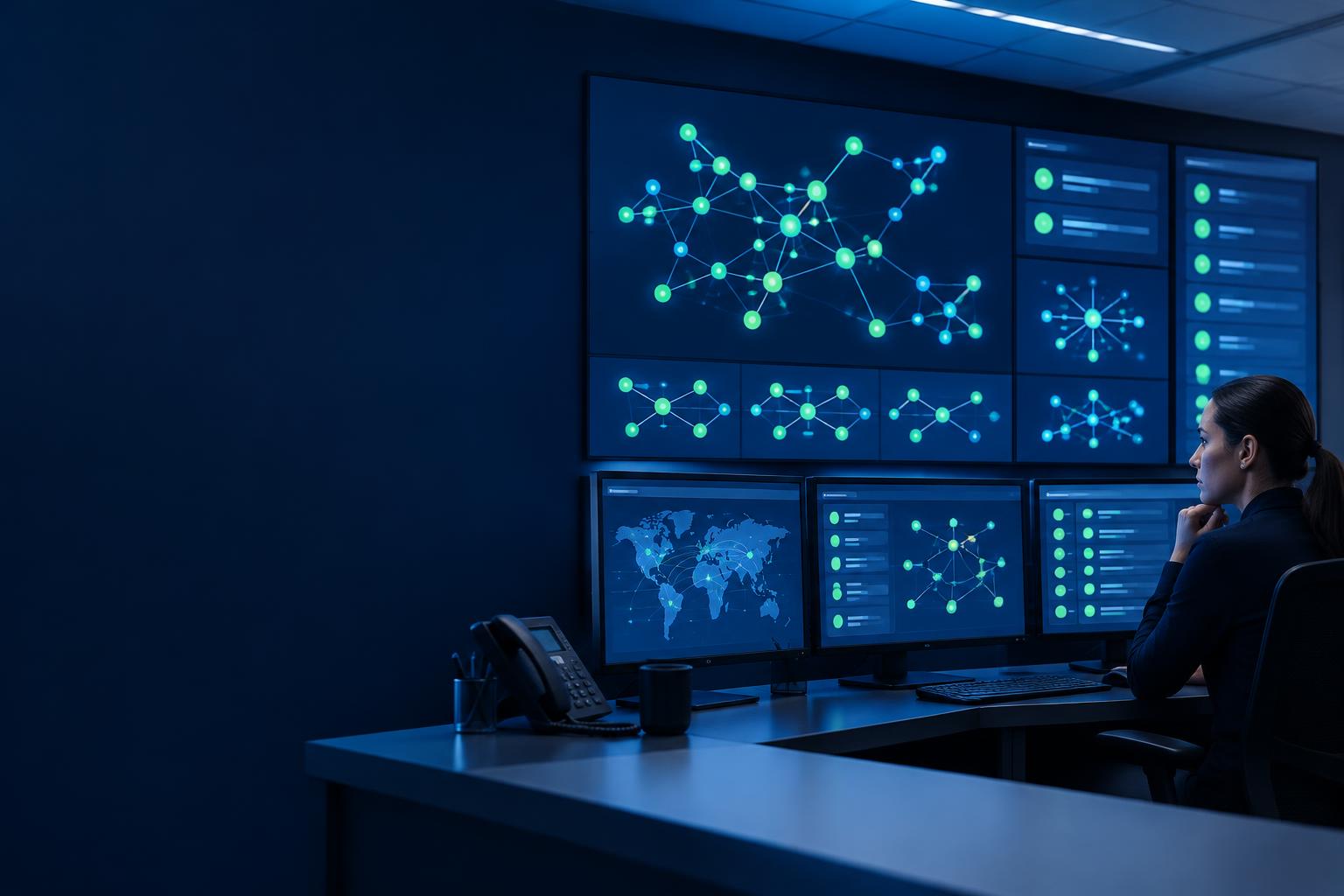
Network visibility, event evaluation and operational escalation within agreed coverage.
Explore solution
Performance reporting and operational insights based on available evidence.
Explore solutionBroader infrastructure transformation aligned with business requirements.
Explore solution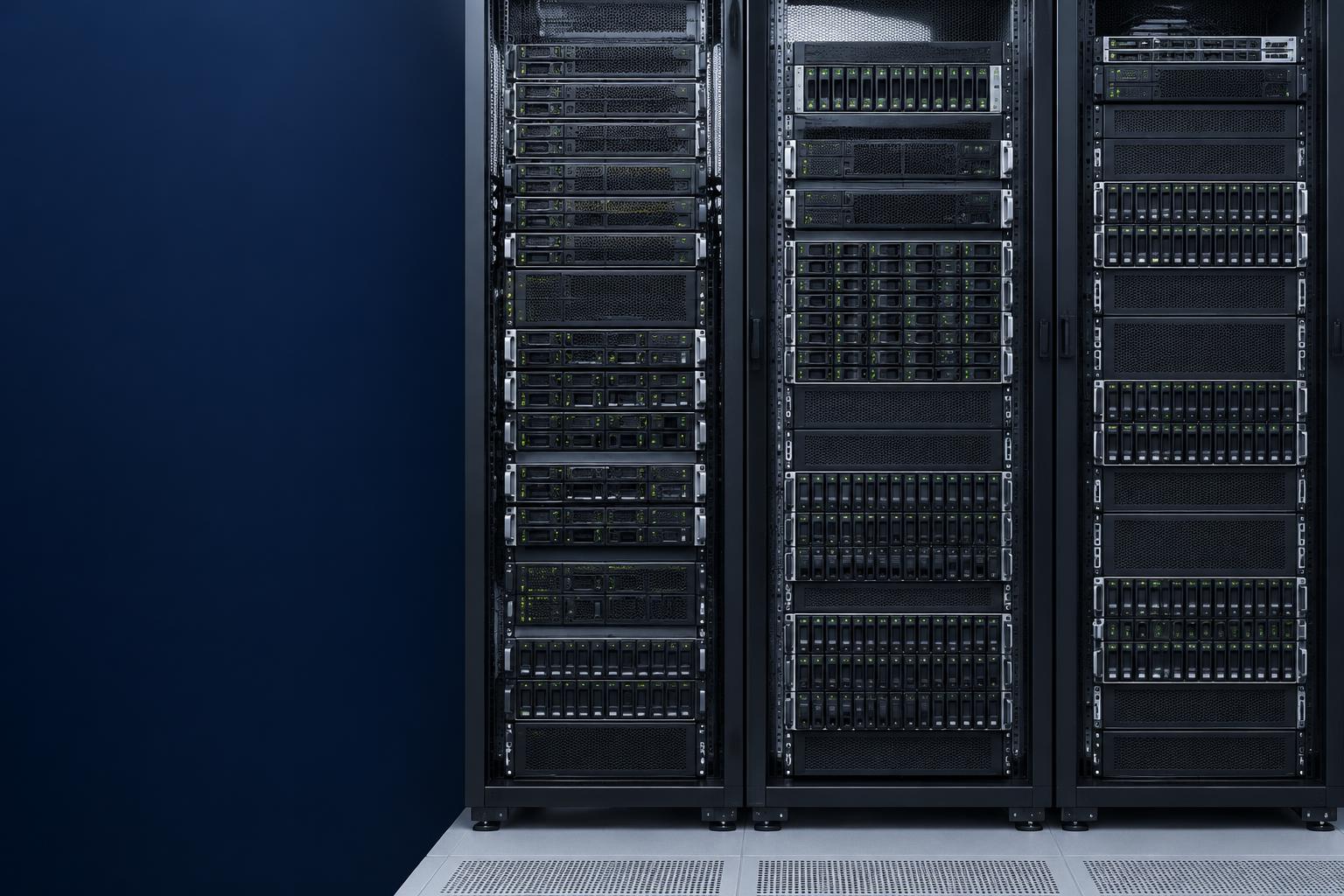
Enterprise compute and storage environments and workload dependencies.
Explore solution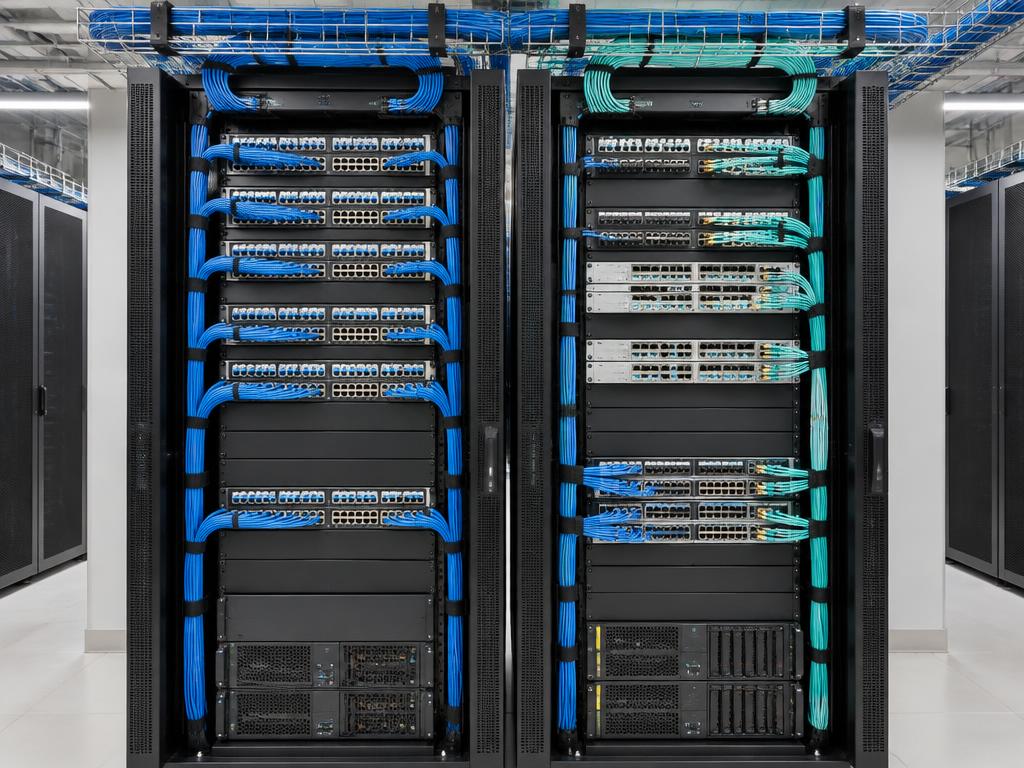
Physical network connectivity infrastructure for enterprise environments.
Explore solution
Data centre power and thermal infrastructure with separately defined responsibilities.
Explore solution
Satellite and remote connectivity for distributed infrastructure.
Explore solutionEvery network has different security boundaries, connectivity requirements, and operational dependencies. Discuss your firewall architecture, segmentation requirements, and enterprise connectivity environment with QSAT to identify an appropriate solution approach.