QSAT Communications
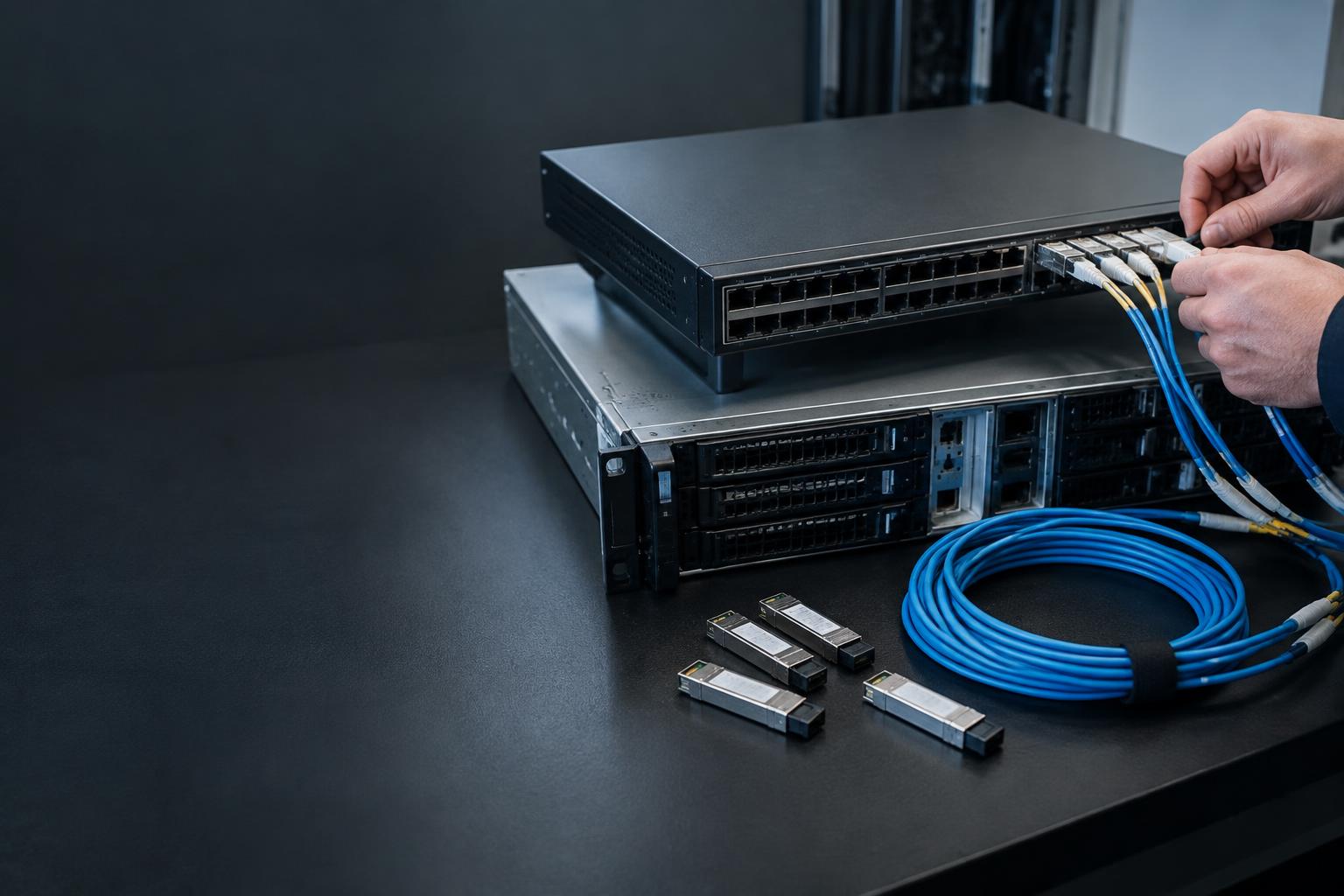
Network switch, server and optical components being prepared for deployment on a technical workbench
Infrastructure Preparation & Integration

Equipment Staging & Integration

Prepare. Validate. Integrate. Deploy.

Successful technology deployments begin before equipment reaches the installation site. Hardware must be identified, compatibility requirements understood, configurations planned, and deployment dependencies reviewed.

QSAT's Equipment Staging & Integration offering focuses on preparing technology equipment and coordinating the activities required for deployment readiness. Depending on the agreed scope, this may include equipment coordination, configuration planning, pre-deployment checks, integration requirements, and documentation.

The objective is to help organizations identify potential issues earlier and approach deployment with a clearer understanding of equipment requirements and outstanding dependencies.

Requirements reviewIntegration planningDefined validationDeployment readiness
Before installation

Deployment Readiness Starts Before Installation

Deploying technology equipment involves more than delivering hardware to a site. Components must meet the project's technical requirements, configurations must align with the intended environment, and the dependencies between equipment and existing infrastructure must be understood.

A structured staging and integration process provides an opportunity to review these requirements before deployment begins.

QSAT can discuss the equipment preparation and integration requirements for an infrastructure project, with the precise activities, testing scope, facilities, and responsibilities defined according to the engagement.

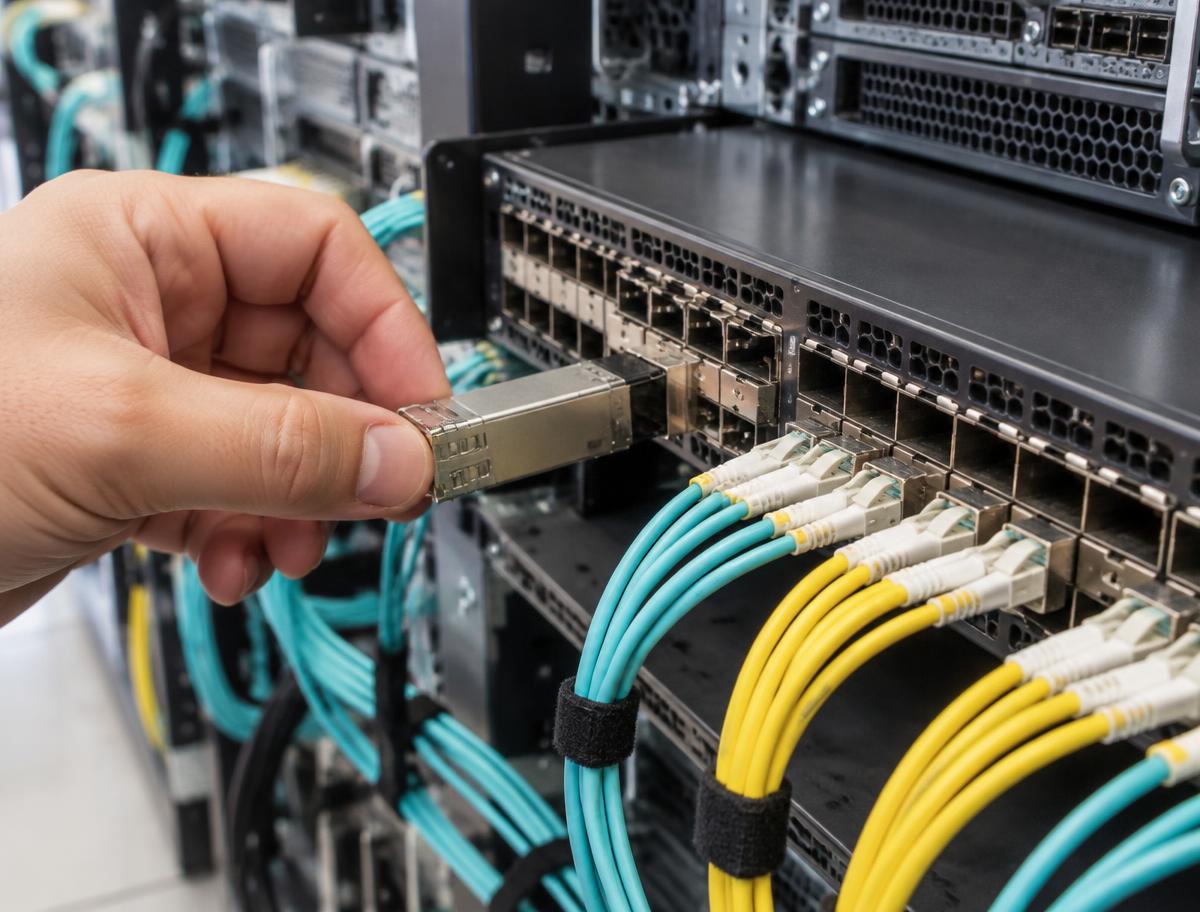
Optical transceiver and fibre interfaces being inspected on network equipment

Common preparation challenges

  • Incomplete equipment specifications
  • Incorrect or incompatible components
  • Inconsistent configuration requirements
  • Missing accessories or connectivity components
  • Unidentified dependencies on existing infrastructure
  • Limited technical documentation
  • Unresolved preparation issues that affect site schedules
  • Equipment coordination across multiple locations
Core capabilities

From Equipment Preparation to Deployment Readiness

Preparation activities are selected for the equipment, available resources and agreed project scope—not assumed to be included in every engagement.

Equipment Identification & Requirements Review

Establish an accurate equipment list and a clear understanding of what the deployment needs.

  • Record manufacturers, models and part numbers
  • Review quantities and hardware specifications
  • Identify accessories and supporting components
  • Review interfaces, power, mounting and connectivity
  • Highlight missing information and open dependencies

Asset inventory ownership and any ongoing updates must be agreed; an automatically managed inventory is not assumed.

Equipment Preparation & Staging

Plan equipment preparation around the project, destination sites and deployment phases.

  • Organize equipment by project, site or phase
  • Check identification and quantities
  • Review packaging and shipment readiness
  • Coordinate accessories and connectivity components
  • Organize configuration requirements and documentation

Physical staging, unpacking, labelling, assembly and repackaging depend on agreed scope and available facilities. No dedicated QSAT staging facility is implied.

Configuration Planning & Preparation

Define the required settings and approvals before equipment is deployed.

  • Review VLANs, addressing, routing and management needs where relevant
  • Agree device naming and configuration conventions
  • Coordinate software and firmware prerequisites
  • Identify dependencies between configurations
  • Document settings and customer approvals

Actual configuration, firmware installation, software provisioning and device preparation services must be confirmed for the equipment and engagement.

Hardware Compatibility & Integration Review

Assess equipment against the target environment rather than treating components in isolation.

  • Review hardware and component specifications
  • Check interfaces and transceiver requirements
  • Identify power and connectivity dependencies
  • Review rack, mounting and physical constraints
  • Consider software, firmware, licences and entitlements

Compatibility depends on supported specifications and the customer architecture. Universal third-party integration is not assumed.

Pre-Deployment Validation

Define the checks and evidence needed to assess equipment readiness.

  • Verify equipment identity and quantities
  • Review configuration requirements
  • Perform visual inspection where included
  • Review physical connections and interfaces
  • Agree supported functional checks and documentation
  • Record outstanding issues and actions

Document review and visual inspection are not formal technical testing. Laboratory certification, burn-in, environmental or stress testing and manufacturer-authorized validation are not claimed.

Deployment Documentation & Handover

Give the responsible deployment team a clear record of preparation and remaining requirements.

  • Equipment and component lists
  • Configuration records where included
  • Compatibility requirements and checklists
  • Outstanding issues and dependencies
  • Equipment-to-site allocation
  • Deployment notes and handover information

Document formats, detail, ownership and handover responsibilities depend on the project and agreed scope.

Technology environments

Staging & Integration Across Technology Environments

Equipment specifications and the intended installation determine the preparation and review activities required.

Enterprise Networking Equipment

Switches, routers, network appliances, interface modules, optical transceivers and connectivity accessories.

Review identification, interface compatibility, configuration planning and installation requirements.

Data Centre Infrastructure

Servers, storage systems, rack-mounted infrastructure, network components, selected power-related hardware and supporting connectivity.

Coordinate rack, power and connectivity needs with hardware dependencies; a dedicated integration laboratory or every data centre service is not assumed.

Satellite Communication Equipment

Relevant satellite terminals, modems, network interfaces and supporting connectivity components.

Readiness depends on equipment compatibility, connectivity design, site power and installation arrangements. Staging and configuration must be confirmed per project.

Connectivity & Fibre Components

Optical transceivers, fibre patch leads, interface components, copper accessories and supporting connectivity hardware.

Connector type, interface specification, optical characteristics, transmission distance and platform compatibility inform selection.

Multi-Site Deployment Kits

A potential project approach combining site-specific equipment lists, accessories, identification, configuration requirements and installation documents.

Delivery and deployment dependencies are planned per site. This is not a preassembled QSAT product or an inventory offering.

Preparation workflow

A Structured Path from Hardware to Deployment

An agreed process connects equipment requirements with preparation, readiness review and handover.

  1. Step 01

    Understand the Requirements

    Identify objectives, equipment types, quantities, destinations, configuration needs and technical constraints.

  2. Step 02

    Review Equipment & Dependencies

    Review hardware information, accessories, interfaces, compatibility requirements and integration dependencies.

  3. Step 03

    Plan Preparation Activities

    Define preparation, configuration, inspection, documentation and validation tasks, including who performs them.

  4. Step 04

    Prepare & Integrate

    Carry out or coordinate only the preparation and integration activities included in the agreed scope.

  5. Step 05

    Validate Readiness

    Review agreed checks, document open issues and assess equipment against the defined release criteria.

  6. Step 06

    Handover for Deployment

    Organize equipment information, configuration records, open issues and documents for the responsible installation team.

  1. Requirements
  2. Preparation
  3. Integration
  4. Validation
  5. Handover
  6. Deployment

The sequence can vary by project and equipment type. This is a planning framework, not an automated QSAT workflow or proprietary platform.

Target architecture

Designed Around the Target Environment

Equipment must be prepared in the context of the infrastructure in which it will operate. Integration planning follows the customer's architecture and technical requirements.

Network Integration

  • Interfaces and supported connection types
  • VLAN and addressing requirements where applicable
  • Routing and connectivity dependencies
  • Network management requirements
  • Security and access prerequisites

Data Centre Integration

  • Rack and mounting requirements
  • Power and connectivity dependencies
  • Server and storage compatibility
  • Network interconnection
  • Physical installation constraints

Satellite Connectivity Integration

  • Compatibility between relevant equipment
  • Network handoff and interface requirements
  • Site power and installation prerequisites
  • Integration with the customer network
  • Satellite service or provider dependencies

Security & Access Requirements

  • Configuration approvals
  • Access control and credential handling
  • Software and firmware prerequisites
  • Handling customer configuration data
  • Documentation and change control

Penetration testing, security certification, formal interoperability certification and integration with every manufacturer are not implied by an integration review.

Pre-deployment checks

Identify Issues Before Equipment Reaches the Site

A defined validation process can reduce uncertainty by making the checks, evidence and unresolved issues explicit before deployment.

  • Equipment identity and quantity verification
  • Component and accessory checks
  • Compatibility review
  • Configuration requirement review
  • Physical condition checks where included
  • Connectivity and interface review
  • Agreed functional checks where supported
  • Documentation and handover review
  • Open-issue tracking
Validation should be based on clearly defined acceptance criteria.

The customer and QSAT should agree in advance on:

  • What will be checked
  • What constitutes a successful result
  • Which activities require customer approval
  • What evidence or documentation will be produced
  • How failed checks and unresolved issues are handled
  • Who authorizes equipment release

A limited pre-deployment review does not certify equipment as defect-free, fully tested or guaranteed to operate correctly. Document and visual reviews must be distinguished from formal technical testing.

Multi-site preparation

Consistency Across Multiple Locations

Plan equipment readiness around offices, branches, data centres and remote infrastructure sites, while retaining the requirements unique to each location.

  • Site-specific equipment allocation
  • Consistent configuration requirements
  • Required components and accessories
  • Equipment quantity coordination
  • Deployment sequence planning
  • Site-specific documentation
  • Tracking outstanding requirements
  • Field logistics and installation-team coordination
Illustrative scenario — not a QSAT customer project

An organization planning a network refresh across several branches may need each site to receive the correct equipment, accessories, configuration requirements, and installation documentation. A structured staging process can help organize these requirements before field teams arrive at each location.

  1. Site Requirements
  2. Equipment Allocation
  3. Preparation
  4. Readiness Review
  5. Delivery Coordination
Explore Global Field Logistics
Configuration & change control

Preparation with Clear Technical Boundaries

Equipment preparation can involve sensitive configuration information. Responsibilities and customer-approved controls must be established before work begins.

  • Authorized access to configuration materials
  • Secure handling of credentials and configuration files
  • Approval of configuration changes
  • Version control where applicable
  • Documentation of deviations and open issues
  • Separation of preparation from production changes
  • Handover to authorized personnel
  • Customer-defined security and compliance requirements

Configuration preparation should follow the customer's approved technical and security requirements. Responsibilities for configuration changes, credential handling, validation, approval, and production deployment should be defined before work begins.

QSAT can discuss these requirements as part of the project scope. The applicable processes, tools, and controls must be confirmed for the specific engagement. This does not imply ISO compliance, security certification or guaranteed security outcomes.

Deployment & lifecycle support

From Hardware Preparation to Infrastructure Delivery

Keep preparation, integration, validation and deployment responsibilities distinct, while connecting the services needed for the wider project.

Staging

Organize equipment, requirements and preparation activities before it goes to site.

Integration

Review how components, interfaces and configurations fit the intended environment.

Validation

Assess agreed checks against defined acceptance criteria and record limitations.

Deployment

Install, commission and introduce equipment into production; separate unless expressly included.

Global Field Logistics

Align equipment readiness with site access, delivery coordination, field scheduling and multi-location activities.

Explore Global Field Logistics

Hybrid SD-WAN

Connect network equipment preparation and configuration planning with distributed branch connectivity.

Explore Hybrid SD-WAN

Structured Cabling

Match equipment interfaces and connectivity components with the planned cabling environment.

Explore Structured Cabling
Who can benefit

Equipment Readiness for Different Project Teams

Relevant project teams and potential requirements—not claims of existing QSAT customers or established industry partnerships.

Enterprise IT Teams

Prepare for office deployments, network refreshes, infrastructure upgrades and branch expansion.

Network Operations Teams

Coordinate switches, routers, connectivity components and network configuration requirements.

Data Centre Teams

Prepare server, storage and networking hardware for installation, expansion or replacement.

System Integrators

Connect hardware requirements, configuration dependencies, documentation and deployment handovers.

Telecommunications & Connectivity Teams

Prepare equipment for connectivity infrastructure and distributed network projects.

Project Delivery Teams

Align deployment schedules, site requirements and readiness across technical stakeholders.

Why QSAT

A Practical Approach to Equipment Readiness

Requirements-Led Preparation

Begin with equipment specifications, the intended environment, deployment objectives and acceptance criteria.

Integration Awareness

Consider compatibility, connectivity, configuration dependencies and the wider infrastructure environment.

Defined Validation Scope

Establish which checks will be performed and what evidence is required before release for deployment.

Deployment-Focused Handover

Organize relevant equipment information, open issues and technical documentation for the next project stage.

Frequently asked questions

Equipment Staging & Integration: Your Questions Answered

Discuss your next deployment

Preparing for Your Next Infrastructure Deployment?

Discuss your equipment, configuration requirements, integration dependencies, and deployment schedule with QSAT. Together, these details can help define an appropriate preparation and validation approach for your project.

1